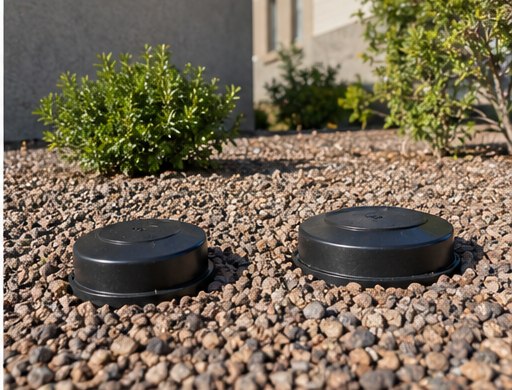
We connect homeowners and property managers with precision trenchless specialists who rebuild broken sewer and water lines from two small access points — engineered from the inside out, with nothing above ground torn apart to get there.
Trenchless repair replaces or rehabilitates an underground pipe through small access points at either end — instead of excavating the full length of the line. Two access pits, one continuous underground path, and the old pipe is gone or lined by the end of the job.
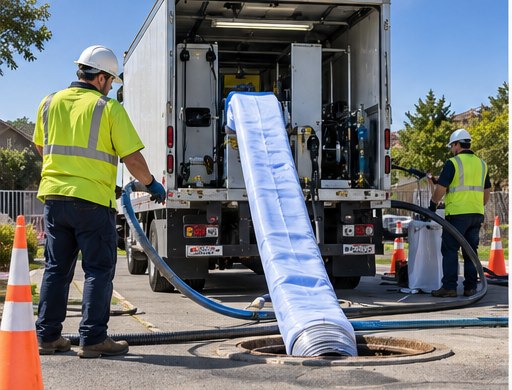
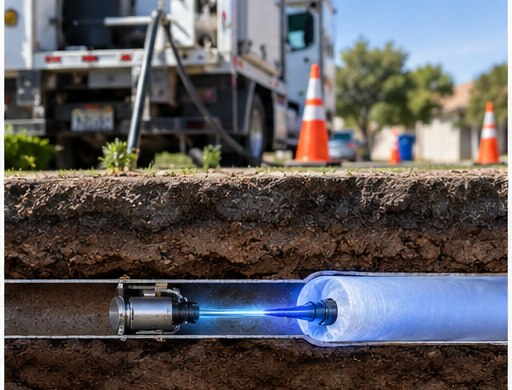
Pipe bursting pulls a new pipe through the old one, fracturing the original outward as it goes. CIPP lining cures a resin liner in place inside the existing pipe, forming a new pipe within the old one.
Compare the methodsThe right method depends on the pipe's material, condition, and what's sitting above it. A camera inspection settles the question before any work begins.
A new pipe is pulled through the old one, fracturing it outward. Best for full replacement of severely damaged lines.
Learn moreA resin-saturated liner cures inside the existing pipe, forming a jointless new pipe within it. Minimally invasive, no fracturing.
Learn moreMain and lateral sewer lines rehabilitated end to end, including root-damaged and offset-joint sections.
Learn morePressurized potable water lines relined or replaced trenchlessly, restoring flow without cutting off service for days.
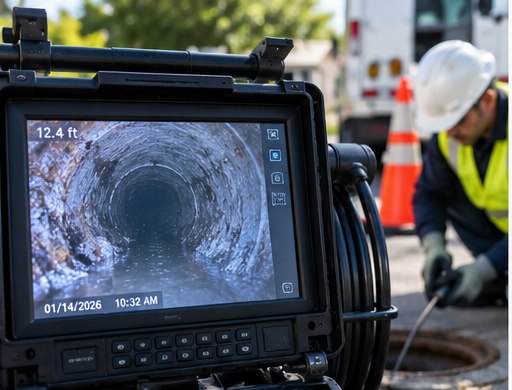
Learn moreA video scope runs the length of the line to locate the damage, measure the pipe, and confirm material and diameter before anything is quoted.
You see the footage too — not just a verdict.
Based on what the inspection shows, the right method is selected and two small access points are marked — typically the only ground disturbance for the entire job.
Your driveway, lawn and hardscape stay where they are.
The new pipe or liner is installed through the access points in a single continuous run, most jobs completed in one to two days.
One crew, one visit, no open trench.
A second video pass confirms the line is clear, sealed end to end, and performing — then the footage and the warranty are handed to you.
Proof it was done right, in writing.
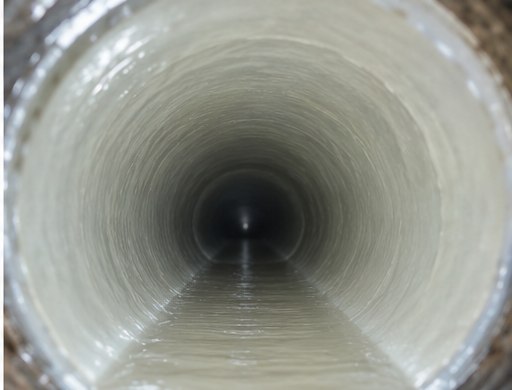
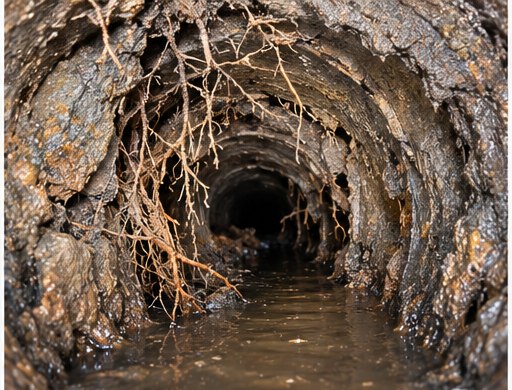
The same length of sewer, photographed down the same bore before and after cured-in-place lining. No excavation happened between these two frames — the crew worked through existing access points.
Requests are serviced by our licensed trenchless service providers, qualified for your specific line problem.
California: San Diego · North County · East County & Imperial · Los Angeles · San Fernando Valley · Orange County · Inland Empire · Ventura & Bakersfield · Sacramento · San Jose · San Francisco & East Bay · Fresno
Nevada: Las Vegas · Henderson & Boulder City · North Valley & Pahrump · Reno
Oregon: Portland · Eugene · Salem · Bend
Washington: Seattle · Tacoma · Everett · Spokane · Vancouver
Arizona: Phoenix · East Valley · West Valley · Prescott & North · Tucson
New Mexico: Albuquerque · Santa Fe
Oklahoma: Oklahoma City · Tulsa
Texas: Dallas · Fort Worth & Arlington · Plano · Frisco · Denton · Waxahachie & Waco · Houston · Katy & Sugar Land · The Woodlands & Conroe · Galveston & Baytown · Austin · San Antonio · El Paso · Corpus Christi
Colorado: Denver · Boulder · Northern Colorado · Colorado Springs
Idaho: Boise · Idaho Falls
Utah: Salt Lake City · Provo · Ogden
Illinois: Chicago · Naperville & West Suburbs · Rockford · Peoria
Indiana: Indianapolis · Fort Wayne · South Bend
Iowa: Des Moines · Cedar Rapids
Kansas: Wichita · Kansas City & Overland Park · Topeka
Michigan: Detroit · Grand Rapids · Ann Arbor · Lansing
Minnesota: Minneapolis · St. Paul · Duluth
Missouri: St. Louis · Kansas City · Springfield
Ohio: Columbus · Cleveland · Cincinnati · Toledo · Akron & Canton
Wisconsin: Milwaukee · Madison · Green Bay
Alabama: Birmingham · Huntsville · Mobile
Florida: Miami · Fort Lauderdale · West Palm Beach · Tampa · Orlando · Jacksonville · Sarasota · Fort Myers & Cape Coral
Georgia: Atlanta · Savannah · Augusta · Columbus
North Carolina: Charlotte · Raleigh & the Triangle · Greensboro · Wilmington
South Carolina: Charleston · Columbia · Greenville
Tennessee: Nashville · Memphis · Knoxville · Chattanooga
Virginia: Northern Virginia · Richmond · Virginia Beach & Norfolk · Roanoke
Maryland: Baltimore · Silver Spring & DC Suburbs · Annapolis
New Jersey: Newark & Essex County · Jersey City & Hoboken · Trenton · Cherry Hill & South Jersey
New York: New York City · Brooklyn · Long Island · Westchester · Buffalo · Rochester
Pennsylvania: Philadelphia · Pittsburgh · Allentown & Lehigh Valley · Harrisburg
Almost entirely. Most jobs need two small access pits — one at each end of the run — rather than an open trench along the full pipe length. Depth and soil conditions can occasionally call for additional access.
A camera inspection determines this. Severely collapsed or misaligned pipe usually calls for pipe bursting; pipe that's structurally intact but cracked, root-intruded, or leaking at joints is often a good candidate for CIPP lining.
Pricing depends on pipe length, diameter, depth, access, and material — it varies job to job. Because trenchless work avoids restoring landscaping, driveways, or hardscape afterward, total project cost is often closer to, or below, traditional dig-and-replace once restoration is factored in.
Most residential CIPP or pipe-bursting jobs are completed in one to two days from setup through final inspection, weather and access permitting.
Coverage depends on contractor density in your area. Submit a request and you'll hear back on availability for your specific location, typically within one business day.
Tell us about your line problem and we'll connect you to one of our qualified trenchless service providers for your area.