We connect Denver homeowners and property managers with vetted trenchless specialists — freeze-thaw cycles and expansive clay crack and shift buried lines across the Front Range. Lining and bursting fix them for decades without a trench.
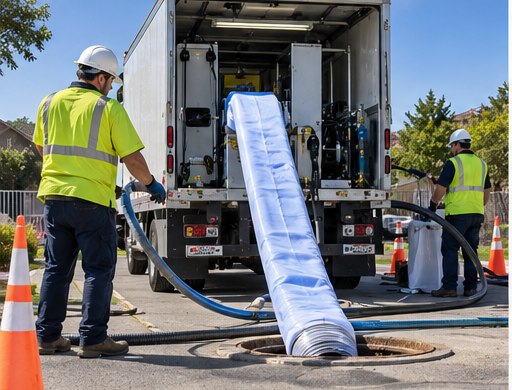
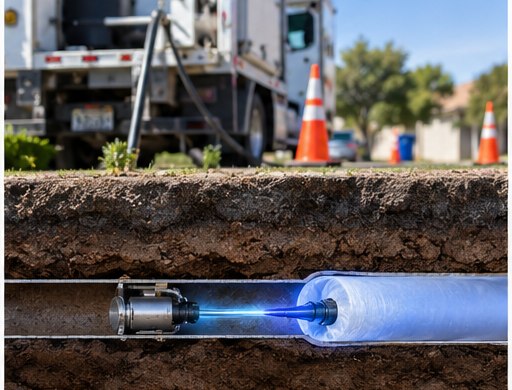
Trenchless repair replaces or rehabilitates an underground pipe through small access points at either end — instead of excavating the full length of the line. Two access pits, one continuous underground path, and the old pipe is gone or lined by the end of the job.
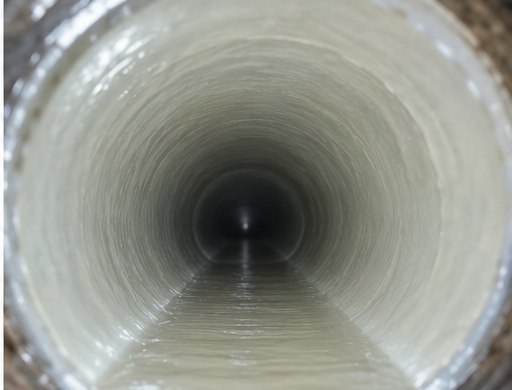
Pipe bursting pulls a new pipe through the old one, fracturing the original outward as it goes. CIPP lining cures a resin liner in place inside the existing pipe, forming a new pipe within the old one.
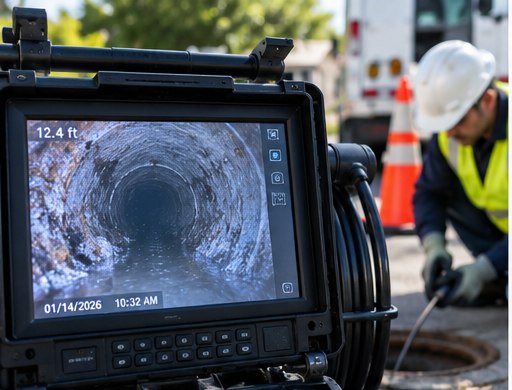
Compare the methodsThe right method depends on the pipe's material, condition, and what's sitting above it. A camera inspection settles the question before any work begins.
A new pipe is pulled through the old one, fracturing it outward. Best for full replacement of severely damaged lines.
Learn moreA resin-saturated liner cures inside the existing pipe, forming a jointless new pipe within it. Minimally invasive, no fracturing.
Learn moreMain and lateral sewer lines rehabilitated end to end, including root-damaged and offset-joint sections.
Learn morePressurized potable water lines relined or replaced trenchlessly, restoring flow without cutting off service for days.
Learn moreRequests are serviced by our licensed trenchless service providers, qualified for your specific line problem.
Freeze-thaw cracking and shifting clay are daily work for these specialists — trenchless sewer and drain renewal across the Front Range: metro Denver, Aurora, Lakewood, Boulder, Fort Collins, Greeley, and Colorado Springs.
Every one of our service providers listed here is licensed and insured serving the Denver area.
Freeze-thaw damage is their whole business — lining shifted clay-soil laterals from the Springs to Fort Collins.
Urban-infill specialists — historic Denver neighborhoods where excavation isn't an option.
Camera trucks across the metro feeding trenchless-grade finds to lining crews.
Sample listings shown for demonstration. Are you a licensed provider serving the Denver area? Get listed →
Almost entirely. Most jobs need two small access pits — one at each end of the run — rather than an open trench along the full pipe length. Depth and soil conditions can occasionally call for additional access.
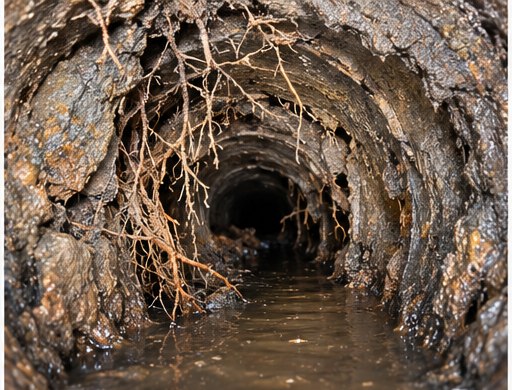
A camera inspection determines this. Severely collapsed or misaligned pipe usually calls for pipe bursting; pipe that's structurally intact but cracked, root-intruded, or leaking at joints is often a good candidate for CIPP lining.
Pricing depends on pipe length, diameter, depth, access, and material — it varies job to job. Because trenchless work avoids restoring landscaping, driveways, or hardscape afterward, total project cost is often closer to, or below, traditional dig-and-replace once restoration is factored in.
Most residential CIPP or pipe-bursting jobs are completed in one to two days from setup through final inspection, weather and access permitting.
Coverage depends on contractor density in your area. Submit a request and you'll hear back on availability for your specific location, typically within one business day.
Tell us about your line problem and we'll connect you to one of our qualified trenchless service providers for your area.